
- IPC GENERAL
- IPC Fellows, IPC News

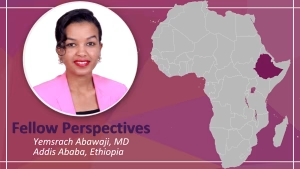
I have accumulated a wealth of experience during my tenure of over eight years at the Department of Dermatology and the Psoriasis Unit at Kasr Al-Ainy Hospital, Cairo University. In this role, my primary focus revolves around providing comprehensive care to patients with psoriasis, engaging in groundbreaking psoriasis research, and contributing to training initiatives.
In 2019, a significant turning point occurred when I had the opportunity to participate in the IPC Psoriasis Masterclass held in my hometown, Cairo, Egypt. This event exposed me to the International Psoriasis Council’s (IPC) profound mission of advancing psoriasis care on a global scale. It was during this gathering that I came across a brochure outlining the IPC’s International Fellowship Program. Driven by my passion for making a meaningful impact in the field, I eagerly applied for the program and was ecstatic to be accepted for the 2022 cohort.
Through my participation in the program, I underwent a transformative journey that expanded my global outlook on psoriasis. Engaging with professionals from diverse regions fostered a rich exchange of international experiences and facilitated invaluable collaborations. This global synergy, in turn, contributes significantly to the enhancement of psoriasis healthcare and research on a worldwide scale.
The program played a pivotal role in shaping my approach to psoriasis, encouraging me to view it from a comprehensive international perspective. This newfound viewpoint enables me to tackle our challenges with heightened professionalism and a broader understanding of the disease. Moreover, it has exposed me to novel aspects of psoriasis that I may not have otherwise encountered, allowing me to continuously evolve in my practice.
“The program played a pivotal role in shaping my approach to psoriasis, encouraging me to view it from a comprehensive international perspective.”
My decision to join the program was driven by a deep-rooted aspiration to elevate the medical care provided to individuals with psoriasis. I was determined to contribute to their well-being by offering tailored management strategies that would significantly enhance their quality of life. Recognizing that knowledge, training, and research are pivotal in achieving these goals, I embarked on this transformative journey.
Throughout the program, I gained an abundance of expertise and proficiency that have proven instrumental in my pursuit of establishing integrated care and personalized management for psoriasis patients. The program not only bolstered my understanding of the intricacies surrounding the condition but also equipped me with valuable insights, paving the way for collaborations with like-minded professionals. By forging these connections, I have been able to tap into a network of individuals who share my passion, fostering collaborative efforts aimed at advancing research opportunities and furthering the field of psoriasis care.
Over the course of the year, my primary focus revolved around establishing a much-needed specialized pediatric psoriasis clinic within my own workplace.
I was fortunate to have IPC Councilor Professor Amy Paller as my mentor—a recognized authority in pediatric dermatology and pediatric psoriasis. This endeavor aligned perfectly with the growing demand for a dedicated clinic for children with psoriasis within my department, which caters to approximately 600 registered young patients.
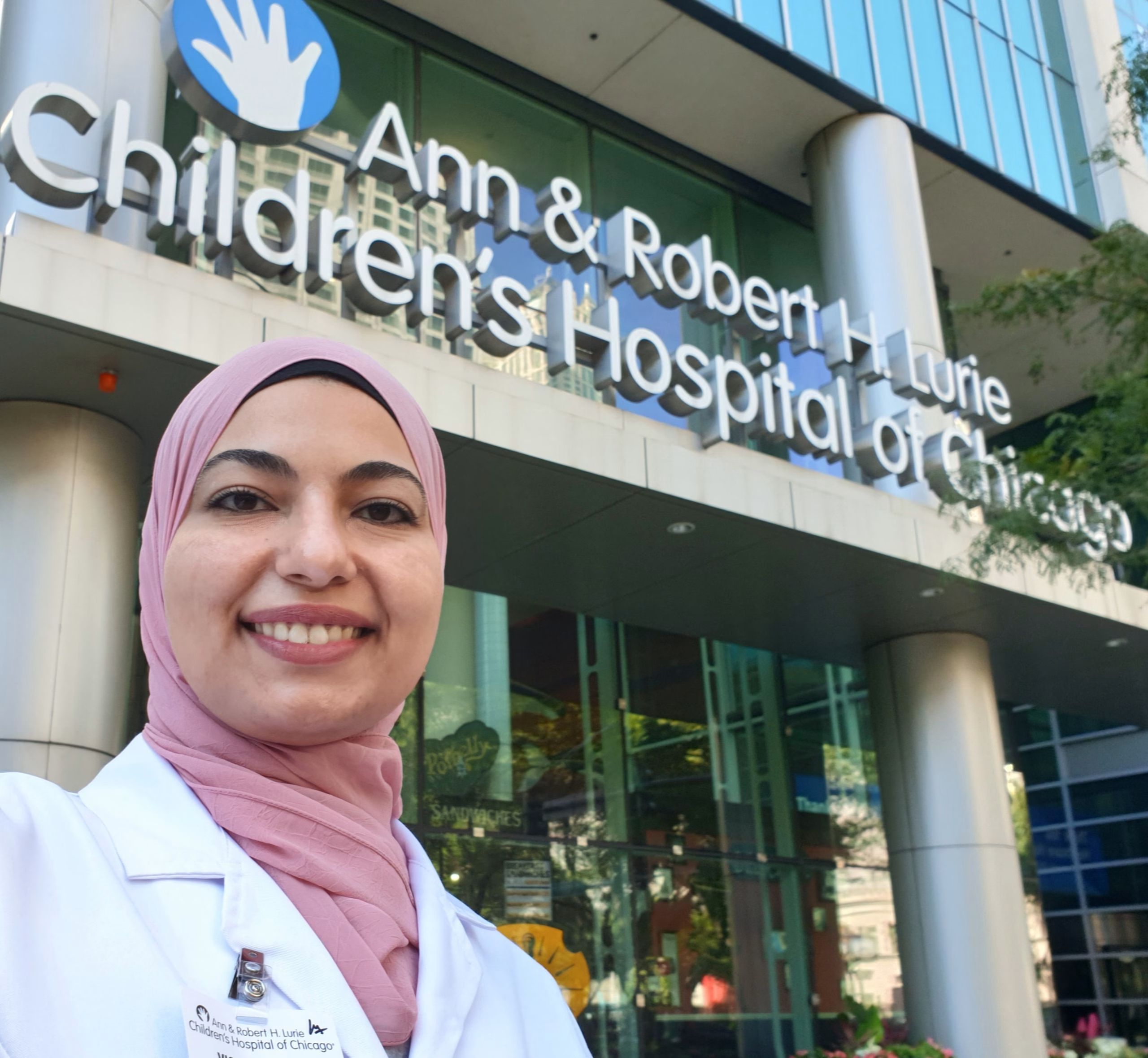
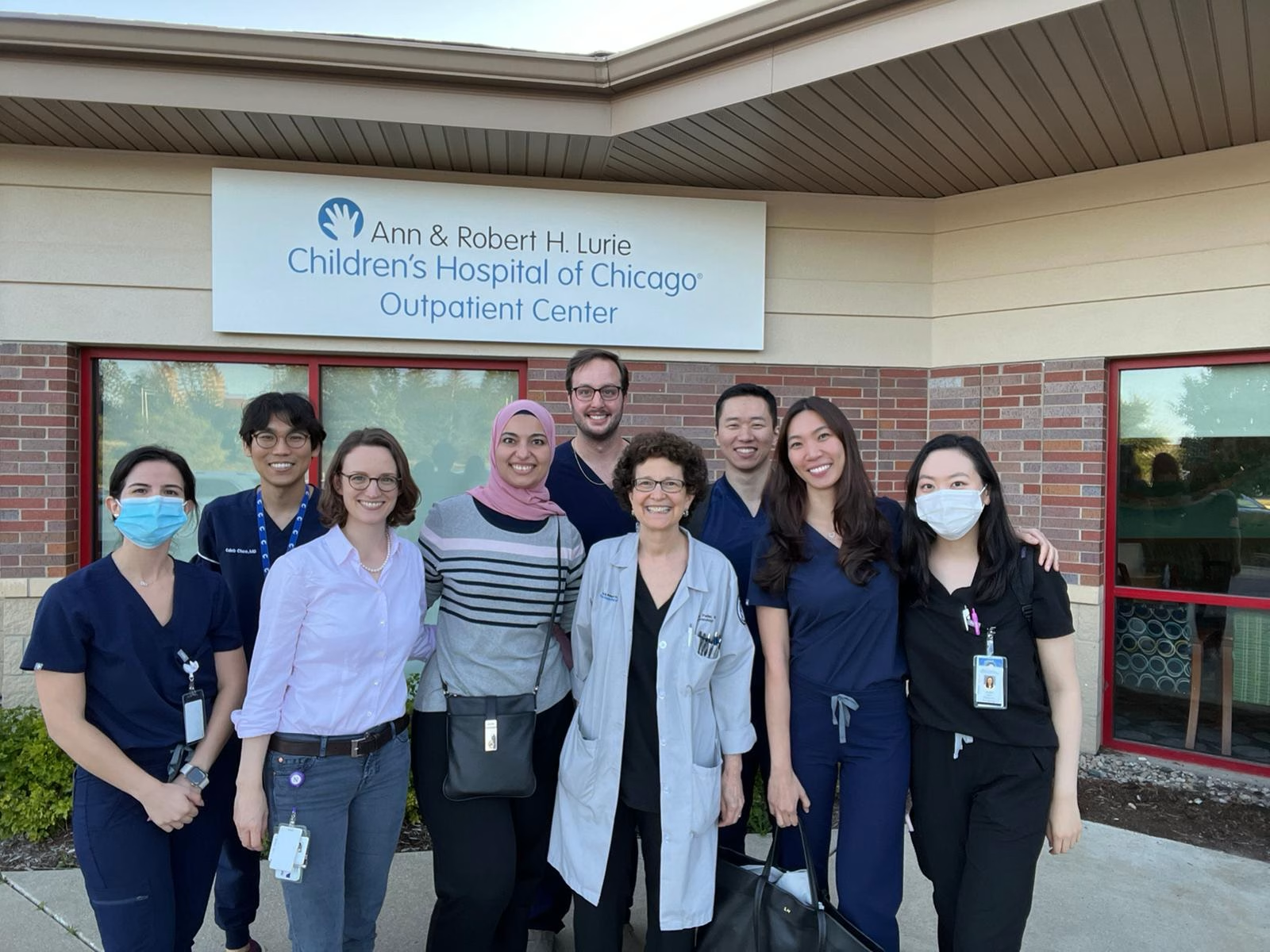
During my onsite visit, I had the opportunity to shadow Dr. Paller, immersing myself in the dynamics of pediatric dermatology clinic settings and gaining extensive knowledge about pediatric psoriasis. Simultaneously, I began seeing pediatric psoriasis patients in my own workplace, applying the expertise and insights I acquired. Drawing from this experience, I crafted a specialized protocol for the care and management of children with psoriasis tailored to the unique circumstances and treatment availability in my region.
Furthermore, I am excited to share that I have initiated a research collaboration with Dr. Paller. This ongoing project holds great pride for me and represents a significant step forward in my career.
The collaborative and networking elements of the program have truly left a lasting impression on me, providing an exceptional level of support and inspiration. One remarkable aspect is the profound connection between each fellow and their mentor. This mentorship dynamic has proven invaluable, offering personalized guidance and deepening our understanding of the field.
In addition to the mentorship, I embarked on a journey of communication and knowledge-sharing with my co-fellows. This unique opportunity allowed us to engage in meaningful discussions, exchange insights, and build strong professional relationships. Together, we formed a vibrant community united in our dedication to improving psoriasis care.
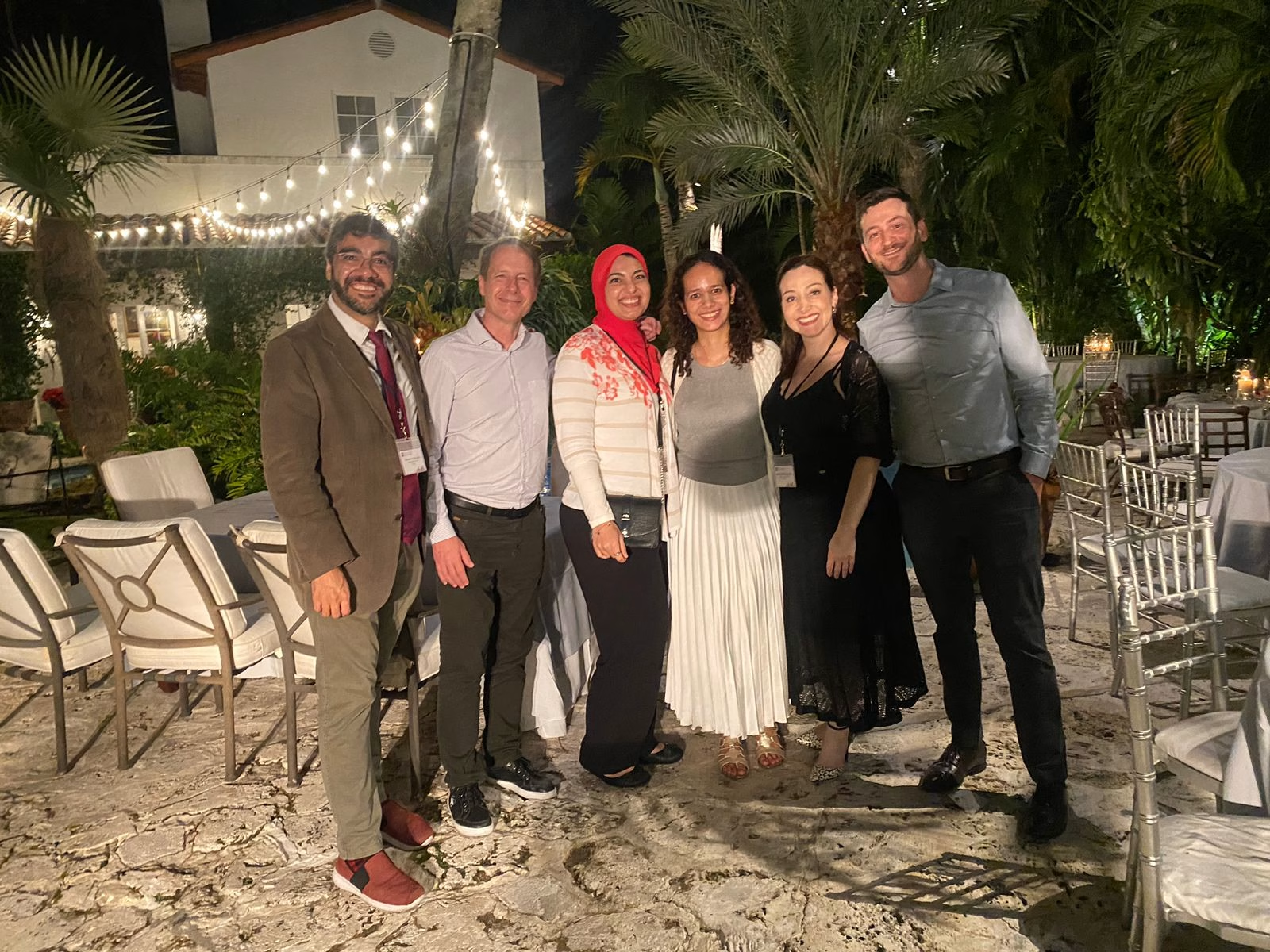
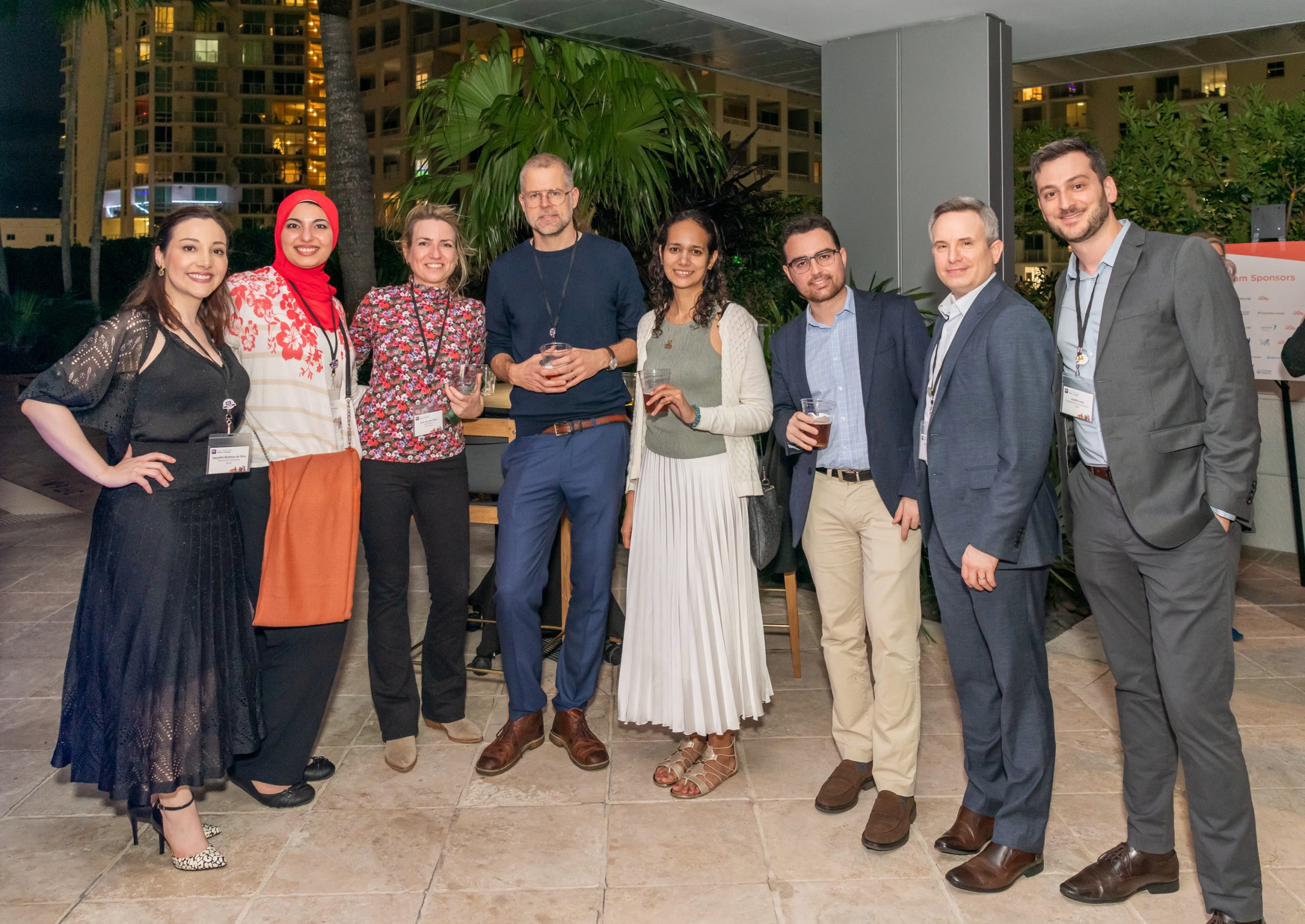
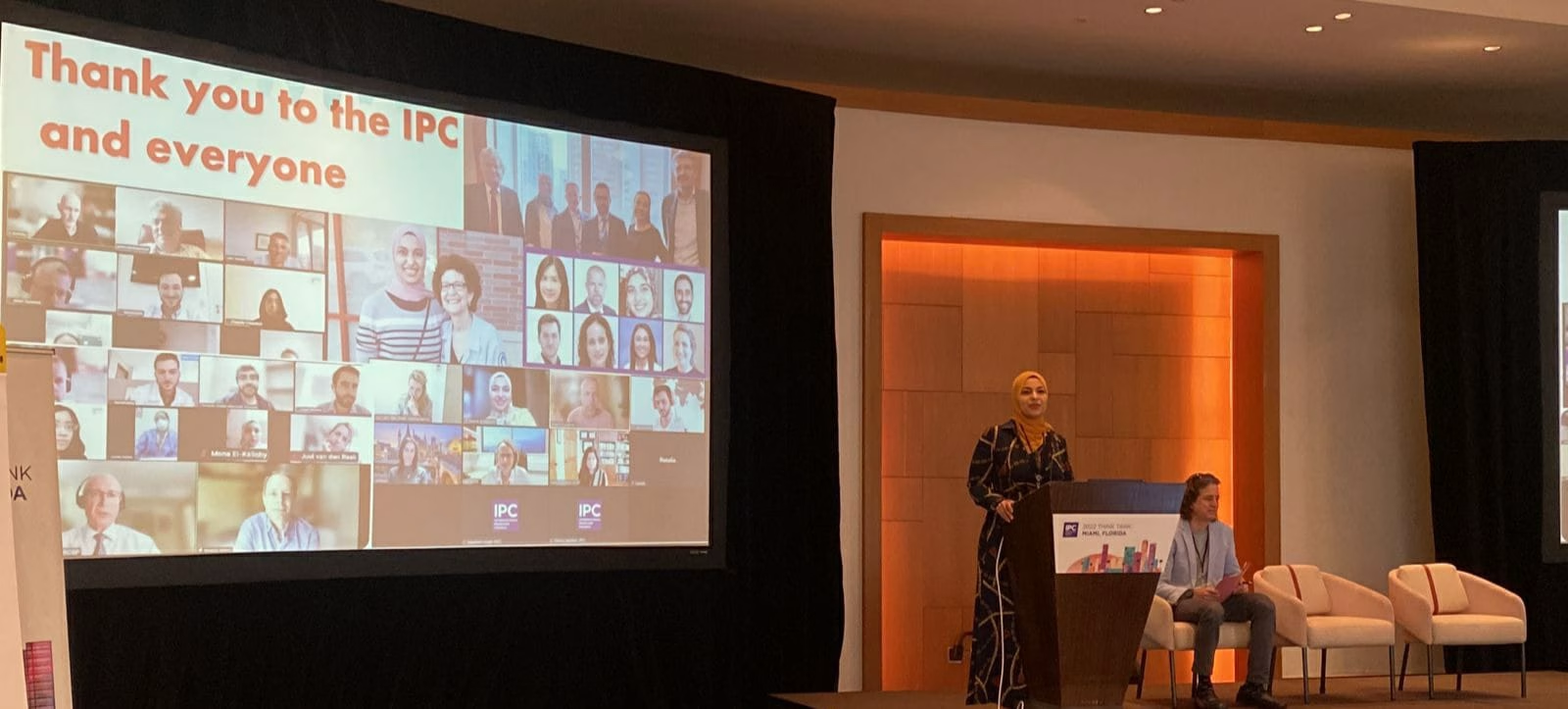
The program sessions and IPC activities further enriched our experience by enabling us to learn, network, and collaborate with distinguished psoriasis leaders and experts. The Fellows’ classes, co-mentoring groups, congress meetings, and the highly engaging Think Tank sessions provided unparalleled opportunities to expand our knowledge, forge new connections, and actively contribute to the advancement of psoriasis care.
The IPC community is incredibly supportive and inspiring. The program schedule is comprehensive, offering a wide range of valuable opportunities.
Throughout the year, I received close mentorship from Dr. Paller, involving onsite observations, meetings at the AAD, monthly Zoom sessions, and regular email communication.
I had the privilege of participating in a one-to-one co-mentoring group with IPC Councilor Dr. Kelly Cordoro, focusing on pediatric psoriasis. Additionally, I joined an engaging co-mentoring group led by 2019 IPC Fellow Rebecca Nguyen, along with IPC Councilor Dr. Peter Foley and my fellow participants. We discussed complex psoriasis cases, benefiting from diverse perspectives and collaborative problem-solving.
The program also included six fellows’ classes chaired and taught by IPC Councilors. These sessions provided a platform for in-depth discussions and knowledge sharing, contributing valuable insights to my understanding.
Despite the challenges posed by the COVID-19 Omicron surge, the IPC staff showed remarkable flexibility, tailoring the fellowship year to the pandemic situation. We were grateful to attend the onsite visit, as well as in-person meetings at the AAD and Think Tank, ensuring a meaningful experience despite the circumstances.
If you have a special interest in psoriasis, go for it! The IPC’s International Fellowship Program is a fantastic experience and a unique opportunity to fulfill your passion.
This Fellowship program is more than just a one-year commitment. It immerses you in the supportive and dynamic IPC community, opening doors to countless opportunities. With a personalized approach, the program caters to your individual interests and needs. The rich and intensive experience is accompanied by the genuine willingness of everyone involved to provide help and support. Joining the IPC’s Fellowship Program is a remarkable chance to grow and thrive in the field of psoriasis.
If you are a young dermatologist or researcher that is passionate about improving the lives of people with psoriasis and wants to expand your horizons, consider applying to participate in the IPC’s International Fellowship Program. Applications for the 2024 program will open this September.