- IPC GENERAL
- IPC Fellows, IPC News
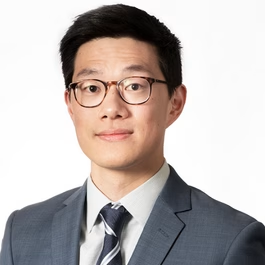
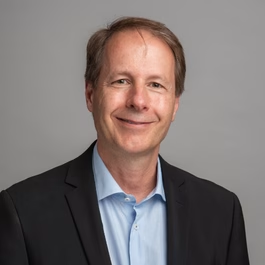
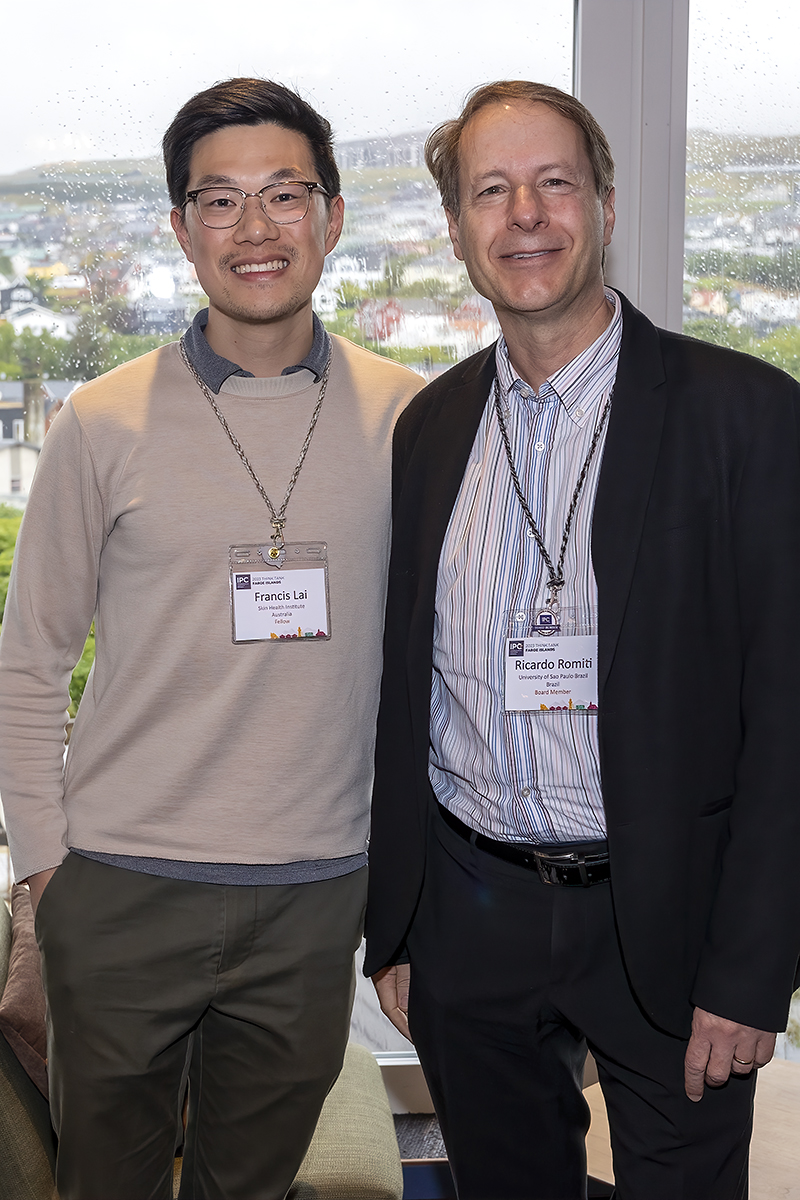
Psoriasis knows no borders—and neither does the pursuit of knowledge and collaboration. For Dr. Francis Lai, a 2023 IPC Fellow from Australia, and Professor Ricardo Romiti, his mentor in Brazil, the IPC International Fellowship Program was more than just an educational opportunity—it was a bridge connecting two countries, two healthcare systems, and two passionate advocates for psoriasis care.
Inspiration Behind the Journey
Dr. Lai’s path into dermatology began during his final year of medical school, inspired by the mentorship of Professor John Su. “It was eye-opening to see the breadth of dermatology, from pediatric conditions to surgical dermatology. But what stood out to me was how dermatology could profoundly improve patients’ lives,” he shared. Psoriasis, in particular, captured his interest because of its complex, systemic nature and the significant impact it has on patients’ quality of life.
“Psoriasis isn’t just a skin condition—it’s an inflammatory disease that affects both the body and mind,” Dr. Lai explained. “Recent advancements, especially in biologics and targeted therapies, have made it one of the most dynamic areas in dermatology.”
For Professor Romiti, the opportunity to mentor an IPC Fellow like Dr. Lai was equally exciting. “When (IPC CMO) Peter van der Kerkhof first told me Francis had requested to be matched with me, I was thrilled. A Fellow willing to travel across the globe to collaborate on a psoriasis project between Brazil and Australia sounded incredibly promising,” he recalled. “And that promise quickly became reality.”
A Fellowship Rooted in Collaboration
Dr. Lai’s decision to apply for the IPC Fellowship was fueled by the stories of past alums and having worked with IPC Councilors like Professor Peter Foley and Professor Jonathan Barker. “I saw how the Fellowship transformed past alumni’s careers and expanded their expertise. I wanted to experience that growth firsthand,” he said.
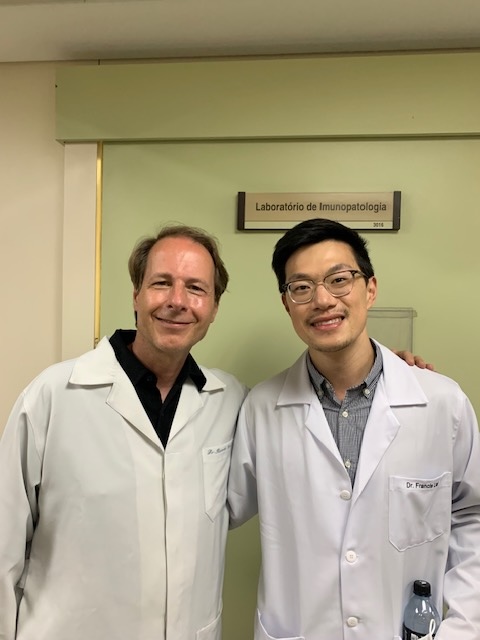
One of the most memorable parts of the Fellowship was Dr. Lai’s visit to Professor Romiti’s clinic at the Hospital das Clínicas of the FMUSP School of Medicine in São Paulo. “Spending three weeks there gave me invaluable insights into how psoriasis is managed in a different healthcare system. The diversity of cases—from inflammatory to aesthetic—and the warmth of the entire dermatology department made it an unforgettable experience,” he said.
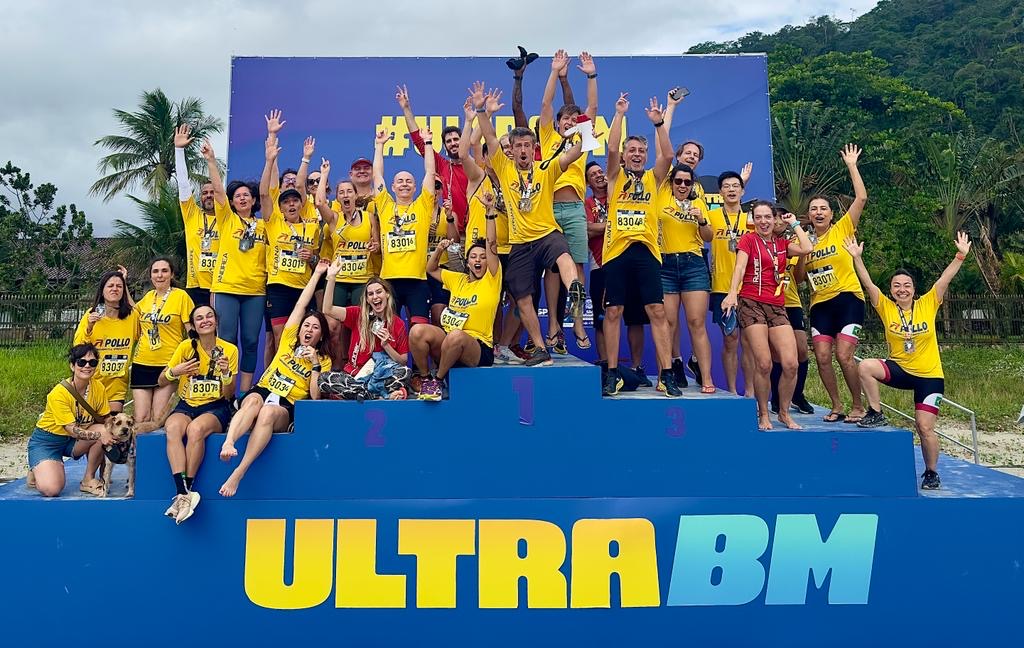
Beyond the hospital, the mentorship extended into everyday life. “Ricardo and his family welcomed me with open arms. I even joined their jogging group and experienced my first traditional Brazilian barbecue—an all-day affair that definitely required pacing!” Dr. Lai laughed.
A Project with Global Impact
While the Fellowship was rich with clinical experiences, their collaborative research project truly highlighted the power of international partnership. Recognizing a gap in psoriasis epidemiology—particularly among Indigenous populations—Dr. Lai and Professor Romiti embarked on a global literature review.
“Data on psoriasis prevalence among Indigenous communities is extremely limited,” Professor Romiti explained. “We wanted to understand how geographical, environmental, genetic, and historical factors might influence prevalence, focusing on both Brazilian and Australian Indigenous populations. What we found was striking—an extremely low prevalence, likely due to environmental influences and genetic factors.”
Dr. Lai emphasized the significance of this work. “It’s not just about numbers—it’s about understanding disparities in healthcare access and ensuring Indigenous communities are included in future research and care strategies.”
Growth, Reflection, and Looking Ahead
Both Dr. Lai and Professor Romiti saw personal and professional growth throughout the Fellowship. “Francis’ dedication took our project beyond what I had anticipated,” said Professor Romiti. “We both learned so much—and had a lot of fun along the way.”
For Dr. Lai, the experience has already shaped his career path. Since returning to Australia, he’s taken on the role of academic lead at his hospital, establishing a clinical trials department and mentoring junior staff. He’s also been instrumental in launching Australia’s largest teledermatology service, providing nationwide access to dermatology care within two weeks.
“The Fellowship gave me a global perspective—it’s encouraged me to think beyond local challenges and contribute to the broader psoriasis community,” Dr. Lai reflected. “I hope to continue collaborating internationally and advocating for improved psoriasis care, particularly in underserved populations.”
As for Professor Romiti, the mentorship experience was equally rewarding. “This Fellowship didn’t just result in a successful project—it forged a fantastic friendship. And now, with Francis having a little daughter, we’re looking forward to welcoming his whole family to Brazil one day!”