International Psoriasis Council

Advancing Knowledge. Improving Care.

IPC Welcomes New Councilors Dr. Mari Løset and Dr. Maxwell Sauder

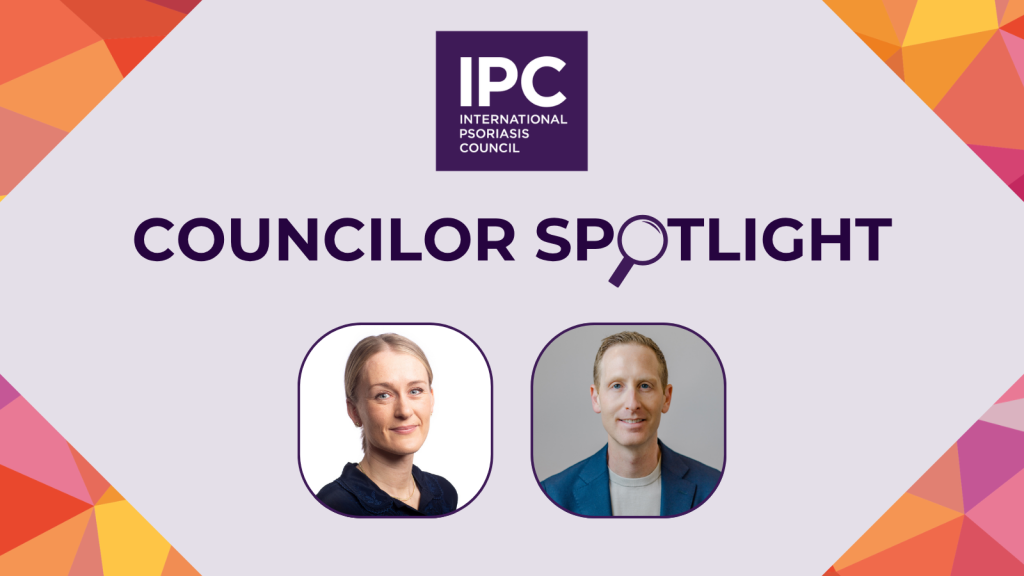
Banner for the International Psoriasis Council featuring the text Councilor Spotlight, with headshots of IPC Councilors—a woman and a man—in separate frames below. The background showcases colorful geometric patterns in the corners.

Two New Councilors Expand IPC’s Global Expertise

The International Psoriasis Council (IPC) welcomes two new Councilors whose work reflects the evolving landscape of psoriasis research and care, with a focus on data-driven, evidence-based approaches.

Dr. Mari Løset and Dr. Maxwell Sauder join IPC’s global network, bringing complementary expertise in translational research, data science, and oncodermatology, while expanding IPC’s presence to Norway.

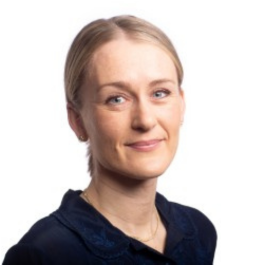
Mari Løset, MD, PhD

Norwegian University of Science and Technology and St. Olavs Hospital, Trondheim University Hospital

Trondheim, Norway

IPC Councilor

Bio
Dr. Mari Løset is a consultant dermatologist and researcher based in Trondheim, Norway, with a focus on integrating multi-omic data from large-scale biobanks to advance the understanding of inflammatory skin diseases such as psoriasis. As an IPC Councilor, Dr. Løset brings expertise in translational science, a collaborative global perspective, and a commitment to advancing patient-centered care through data-driven innovation.

Maxwell Sauder, MD

University of Toronto

Toronto, Ontario, Canada

IPC Councilor

Bio
Dr. Maxwell Sauder is a Toronto-based dermatologist, Assistant Professor at the University of Toronto, and oncodermatologist at the Princess Margaret Cancer Centre. His work spans inflammatory skin disease and the dermatologic complications of cancer therapies. As an IPC Councilor, Dr. Sauder contributes clinical trial expertise, a broad therapeutic perspective, and expertise at the intersection of inflammation and oncology to support patient-centered, evidence-based care.

Strengthening IPC’s Global Perspective

Together, Drs. Løset and Sauder enhance IPC’s ability to address the complexities of psoriatic disease across diverse patient populations and clinical contexts. Their combined expertise reinforces IPC’s commitment to advancing research, improving clinical decision-making, and ultimately elevating standards of care for people living with psoriasis worldwide.

Categories

Recent Posts

Approaching Challenging Patient Interactions with Empathy

Next Generation of Leaders: 2025 IPC Fellows Transition to Jr. Councilors

Highlights from the 2026 American Academy of Dermatology (AAD) Annual Meeting: Diagnostic Complexity, Therapeutic Advances, and Emerging Research

Also Read

A banner showing “IPC-GRAPPA Joint Consensus Initiative: Difficult-to-Treat / Treatment-Refractory Psoriasis” with IPC and GRAPPA logos, a world map in the background, and recognition of an IPC Board Member.
treatment-refractory psoriasis

IPC and GRAPPA Launch Joint Consensus Initiative on Difficult-to-Treat Psoriasis

The International Psoriasis Council (IPC) and the Group for Research and Assessment of Psoriasis and Psoriatic Arthritis (GRAPPA) have launched a global consensus initiative to define difficult-to-treat and treatment-refractory psoriasis, with the goal of improving clinical care, research consistency, and treatment decision-making worldwide.

Read More

Subscribe to the IPC Newsletter

Stay up-to-date on the latest research, news, and upcoming events right in your inbox.

What's New

First-Line Biologics in Psoriasis: Evidence from the BADBIR Cohort Study

In this IPC commentary, Matias Maskin examines evidence from the BADBIR registry demonstrating that first-line biologic therapy in moderate to severe psoriasis leads to faster skin clearance, improved quality of life, and a lower risk of comorbidities. The analysis challenges traditional step-up approaches and supports earlier, patient-centered treatment strategies.

Read More »

Recent Advances in Psoriasis: A Year in Review

In this Take Ten with IPC video, Dr. Leandro Leite discusses the most recent advances in psoriasis over the last year (March 2025 – March 2026). Topics include new guidelines, research, and recent studies.

WATCH NOW

Monday, April 6, 2026