

- Allison Truong, MD, FAAD
- Expert Insights, Quality of Life, Treatment
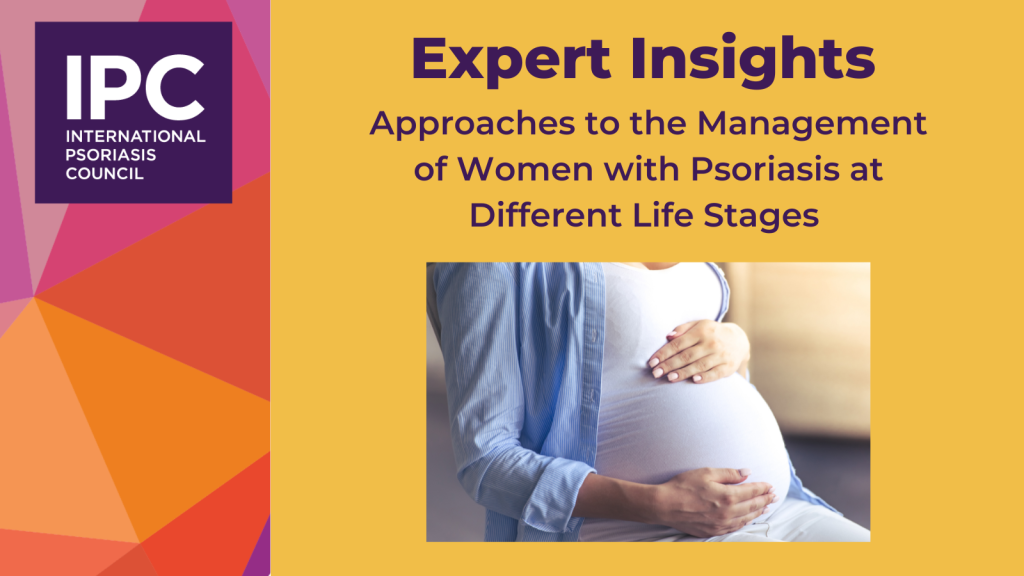
- Psoriasis presents unique challenges for women at different life stages, with hormonal changes during pregnancy and menopause playing a significant role in disease progression and management.
- Research highlights a greater disease burden and lower quality of life for women with psoriasis compared to men due to factors like pruritus, social stigma, and career limitations.
- Pregnancy can lead to a natural improvement in psoriasis for 40-60% of women, while others experience flares requiring safe and effective treatment options tailored for pregnancy and breastfeeding.
- Postpartum flares are common due to hormonal changes, necessitating careful consideration of treatment options based on breastfeeding status.
- Menopause and hormonal therapy in transgender individuals with psoriasis require further research to optimize care and address potential risks linked to hormonal fluctuations.
Understanding Gender-Sensitive Care in Psoriasis Management
Gender is a social construct, whereas sex is a biological construct defined by the presence or absence of the Y chromosome.1 All individuals with psoriasis face unique challenges throughout their lives. Still, those assigned female sex at birth encounter additional considerations, particularly if they choose to pursue pregnancy at some point in their lives. For this discussion, we will refer to these individuals as “women.” Nevertheless, it is important to acknowledge that transgender men and non-binary individuals may also experience similar health issues as women. Therefore, healthcare providers should adopt tailored management strategies and deliver individualized care that incorporates shared decision-making in a gender-sensitive manner throughout each patient’s life stages.
Although men and women have similar overall prevalence rates of psoriasis, estimated at around 2-4% worldwide, key differences in the disease’s clinical presentation have been reported between genders.2 For instance, psoriasis tends to present at a younger age in women, with two notable peaks between the ages of 16-22 and 55-60 years old.3 Additionally, women exhibit higher rates of certain subtypes of psoriasis, such as palmoplantar pustulosis.4 In terms of psoriatic arthritis, women present more frequently with the polyarthritis subtype.5
Gender Disparities in Psoriasis and Quality of Life
Beyond differences in clinical presentation, research has highlighted gender disparities in quality of life for psoriasis patients. A Swiss online survey revealed that women with psoriasis tend to suffer more from pruritus and report lower satisfaction with therapy compared to men.5 Correspondingly, a multinational survey study across 11 European countries of women aged 18-45 years old with moderate to severe psoriasis and/or psoriatic arthritis revealed that 21% had not achieved their desired career due to their condition, 33% experienced a limited social life, 35% reported having smaller families, and 27% were more inclined to adopt children due to the effects of their disease.7 These findings suggest that the burden of psoriasis is greater in women, including the impact on quality of life and perceived social stigmatization.
The heightened disease burden in women may be attributed to the timing of diagnosis and initiation of treatment, which often occurs during women’s reproductive years and early career stages. Despite this, formal treatment guidelines for women of childbearing age with psoriasis are not currently available in the United States. Furthermore, there is a lack of data on the safety of systemic agents in pregnant and breastfeeding women, largely due to the challenges of conducting clinical trials on these vulnerable populations.
Managing Psoriasis Through Key Life Stages
During women’s childbearing years, it is important to consider that pregnancies often occur unplanned. Consequently, healthcare providers should avoid treatments that have known risks of teratogenic effects during this life stage, such as psoralen UVA, methotrexate, and acitretin. However, it is equally important not to undertreat this patient population, as psoriasis can significantly affect women’s personal, social, and sexual lives.8 Many women with psoriasis experience feelings of shame and social stigma, making effective treatment essential. Treatment strategies for women should be optimized during this time to help minimize flares if they choose to pursue pregnancy.9
Fortunately, studies show that approximately 40-60% of patients experience a natural improvement in their psoriasis during pregnancy.10 This positive change is thought to be linked to substantial increases in levels of estrogen and progesterone, promoting a state of immune tolerance. Estrogen has immunosuppressive and immunostimulatory properties, whereas progesterone is primarily immunosuppressive. It is believed that elevated progesterone levels may help downregulate T-cell proliferation and reduce inflammatory responses during pregnancy.9 For the 10-20% of women who flare during pregnancy, topical therapies and narrowband UVB are generally considered safe options. Of note, cumulative NB-UVB doses can induce folate photodegradation and decrease serum folate levels in a dose-dependent manner. Therefore, it is recommended to supplement folic acid in pregnant women on phototherapy.11,12
For psoriasis patients who are recalcitrant to topicals or light or those with moderate to severe psoriasis needing a systemic agent during pregnancy, cyclosporine can be cautiously utilized with attention to blood pressure due to risks of eclampsia. Additionally, certolizumab pegol (CZP), an Fc-free anti-tumor necrosis factor (anti-TNF) drug, may be appropriate. This medication has minimal to no active placental transfer, and limited studies have shown no increased risks to the fetus. In the CRIB study, a prospective postmarketing pharmacokinetic study involving 14 pregnancies exposed to CZP, there was minimal placental transfer of CZP from mothers to infants.13 Further, the CRADLE study measured CZP levels in the breastmilk of 17 persons and found very low or undetectable levels, suggesting it is also safe for breastfeeding women.14 Also, a follow-up analysis of a pharmacovigilance safety database encompassing 1,137 prospectively reported pregnancies with maternal exposure to CZP revealed no teratogenic effect and no increased risk of fetal death compared to the general population.15
The improvement of psoriasis during pregnancy is often short-lived, as many women experience flares in the postpartum period coinciding with hormonal changes and increased stress. Murase et al. studied 57 pregnant women with psoriasis compared with 27 non-pregnant women with psoriasis and found that 65% reported a worsening of their disease in the postpartum period.16 The study also noted that the body surface area (BSA) affected by psoriasis in the postpartum group doubled between 30 weeks gestation and 6 weeks postpartum.15 During the postpartum period, treatment options will vary depending on various factors, such as whether women are breastfeeding or not. For those who are not breastfeeding, patients can typically resume their previous treatment regimens before pregnancy.
Another major life stage for women is the perimenopausal and post-menopausal period, during which hormonal fluctuations again may contribute to psoriasis flares and late-onset psoriasis. During menopause, levels of estrogen and progesterone decline, leading to a stage of eventual overall hypogonadism. This decrease in estrogen is thought to be a key factor in the exacerbation of psoriasis, with studies showing that approximately 48% of women experience worsening symptoms during this time.18 Kanda and Watanabe et al. demonstrated that β17 estradiol (E2) inhibits the production of IL-12 and TNF-alpha by reducing dendritic cells’ ability to present antigens. This, in turn, stimulates T cells to synthesize the anti-inflammatory cytokine IL-10 by T lymphocytes, exerting an inhibitory effect on the Th1 immune response.18 Thus, high estrogen levels are believed to regulate and inhibit the immune system. In contrast, low levels of estrogen may promote a stimulatory or inflammatory effect.
The Role of Hormone Therapy in Psoriasis
There remains limited data on the role of hormone replacement therapy (HRT) in menopausal women and hormone therapy (HT) in transgender individuals with psoriasis. In a nationwide population-based study of 1,130,741 post-menopausal women in the Korean National Health Insurance Service database, after adjusting for age, smoking, alcohol, exercise, body mass index, diabetes mellitus, hypertension, and dyslipidemia, the study found that the prolonged duration of the HRT for five years or was associated with an elevated risk of developing psoriasis.19 Additionally, a cross-sectional survey of 696 transgender individuals revealed that 17% of individuals perceived a connection between their psoriasis and gender-affirming HT.20 These findings underscore the need for further investigation into the potential associations between hormone therapies and psoriasis through more clinical trials and real-world studies.
Conclusion: Optimizing Care Across Life Stages
Psoriasis presents unique challenges throughout an individual’s life, particularly regarding the impact of hormonal fluctuations. During any of women’s life stages, psoriasis may improve or flare. Thus, healthcare providers must be vigilant about the potential changes in psoriasis as patients navigate different life stages. Further research is needed to explore the safety and efficacy of systemic medications during pregnancy and lactation and the effects of hormonal changes on psoriasis. Enhancing our understanding of these factors will help providers optimize care and improve the quality of life of all individuals affected by psoriasis.
References
- Lagacé F, D’Aguanno K, Prosty C, et al. The Role of Sex and Gender in Dermatology: From Pathogenesis to Clinical Implications. J Cutan Med Surg. 2023;27(4). doi:10.1177/12034754231177582. Epub 2023 Jul 4. PMID: 37401812; PMCID: PMC10486181.
- Parisi R, Symmons DP, Griffiths CE, Ashcroft DM; Identification and Management of Psoriasis and Associated Comorbidity (IMPACT) Project Team. Global epidemiology of psoriasis: a systematic review of incidence and prevalence. J Invest Dermatol. 2013;133(2):377-85. doi:10.1038/jid.2012.339. Epub 2012 Sep 27. PMID: 23014338.
- Guillet C, Seeli C, Nina M, Maul LV, Maul JT. The Impact of Gender and Sex in Psoriasis: What to be Aware of When Treating Women with Psoriasis. Int J Womens Dermatol. 2022;8(2). doi:10.1097/JW9.0000000000000010. PMID: 35619672; PMCID: PMC9112394.
- Benzian-Olsson N, Dand N, Chaloner C, et al. Association of Clinical and Demographic Factors with the Severity of Palmoplantar Pustulosis. JAMA Dermatol. 2020;156(11):1216-1222. doi:10.1001/jamadermatol.2020.3275.
- Queiro R, Tejón P, Coto P, et al. Clinical Differences Between Men and Women with Psoriatic Arthritis: Relevance of the Analysis of Genes and Polymorphisms in the Major Histocompatibility Complex Region and of the Age at Onset of Psoriasis. Clin Dev Immunol. 2013;2013:482691. doi:10.1155/2013/482691. Epub 2013 Apr 16. PMID: 23690822; PMCID: PMC3652135.
- Murer C, Sgier D, Mettler SK, et al. Gender Differences in Psoriasis: A Swiss Online Psoriasis Survey. Arch Dermatol Res. 2021;313(2):89-94. doi:10.1007/s00403-020-02066-1. Epub 2020 Apr 12. PMID: 32281022.
- McBride SR, Fargnoli MC, Fougerousse AC, et al. Impact of Psoriatic Disease on Women Aged 18 to 45: Results from a Multinational Survey Across 11 European Countries. Int J Womens Dermatol. 2021;7(5):697-707. doi:10.1016/j.ijwd.2021.08.011. PMID: 35028368; PMCID: PMC8714576.
- Bucur Ș, Savu AP, Stănescu AMA, et al. Oversight and Management of Women with Psoriasis in Childbearing Age. Medicina (Kaunas). 2022;58(6):780. doi:10.3390/medicina58060780. PMID: 35744043; PMCID: PMC9227010.
- Ferreira C, Azevedo A, Nogueira M, Torres T. Management of Psoriasis in Pregnancy: A Review of the Evidence to Date. Drugs Context. 2020;9:2019-11-6. doi:10.7573/dic.2019-11-6. PMID: 32201494; PMCID: PMC7067229.
- Weatherhead S, Robson SC, Reynolds NJ. Management of Psoriasis in Pregnancy. 2007;334(7605):1218-20. doi:10.1136/bmj.39202.518484.80. Erratum in: BMJ. 2007;335(7617):0. PMID: 17556479; PMCID: PMC1889937.
- El-Saie LT, Rabie AR, Kamel MI, Seddeik AK, Elsaie ML. Effect of Narrowband Ultraviolet B Phototherapy on Serum Folic Acid Levels in Patients with Psoriasis. Lasers Med Sci. 2011;26(4):481-5. doi:10.1007/s10103-011-0895-0. Epub 2011 Feb 23. PMID: 21344249.
- Zhang M, Goyert G, Lim HW. Folate and Phototherapy: What Should We Inform Our Patients? J Am Acad Dermatol. 2017;77(5):958-964. doi:10.1016/j.jaad.2016.10.016. PMID: 29029903.
- Mariette X, Förger F, Abraham B, et al. Lack of Placental Transfer of Certolizumab Pegol During Pregnancy: Results from CRIB, A Prospective, Postmarketing, Pharmacokinetic Study. Ann Rheum Dis. 2018;77(2):228-233. doi:10.1136/annrheumdis-2017-212196. Epub 2017 Oct 13. PMID: 29030361; PMCID: PMC5867410.
- Clowse ME, Förger F, Hwang C, et al. Minimal to No Transfer of Certolizumab Pegol into Breast Milk: Results from CRADLE, A Prospective, Postmarketing, Multicenter, Pharmacokinetic Study. Ann Rheum Dis. 2017;76(11):1890-1896. doi:10.1136/annrheumdis-2017-211384. Epub 2017 Aug 16. PMID: 28814432; PMCID: PMC5705850.
- Clowse MEB, Scheuerle AE, Chambers C, et al. Pregnancy Outcomes After Exposure to Certolizumab Pegol: Updated Results from a Pharmacovigilance Safety Database. Arthritis Rheumatol. 2018;70(9):1399-1407. doi:10.1002/art.40508. Epub 2018 Jul 22. PMID: 29623679; PMCID: PMC6174965.
- Murase JE, Chan KK, Garite TJ, Cooper DM, Weinstein GD. Hormonal Effect on Psoriasis in Pregnancy and Postpartum. Arch Dermatol. 2005;141(5):601-606. doi:10.1001/archderm.141.5.601. PMID: 15897382.
- Ceovic R, Mance M, Bukvic Mokos Z, et al. Psoriasis: Female Skin Changes in Various Hormonal Stages Throughout Life—Puberty, Pregnancy, and Menopause. Biomed Res Int. 2013;2013:571912. doi:10.1155/2013/571912. Epub 2013 Dec 28. PMID: 24459670; PMCID: PMC3888685.
- Kanda N, Watanabe S. Regulatory Roles of Sex Hormones in Cutaneous Biology and Immunology. J Dermatol Sci. 2005;38(1):1-7. doi:10.1016/j.jdermsci.2004.10.011. Epub 2004 Dec 9. PMID: 15795118.
- Go GM, Oh HJ, Han K, et al. Hormone Replacement Therapy and Psoriasis Risk: A Nationwide Population-based Cohort Study. J Korean Med Sci. 2023;38(49). doi:10.3346/jkms.2023.38.e377. PMID: 38111280; PMCID: PMC10727922.
- Braun H, Thompson EC, Zhang Q, et al. Prevalence of Psoriasis and Perceived Association with Hormone Therapy in Transgender Adults. Transgender Health. 2023;8(4):396-399. doi:10.1089/trgh.2021.0104. PMID: 37525834; PMCID: PMC10387154.


Comments are closed.